
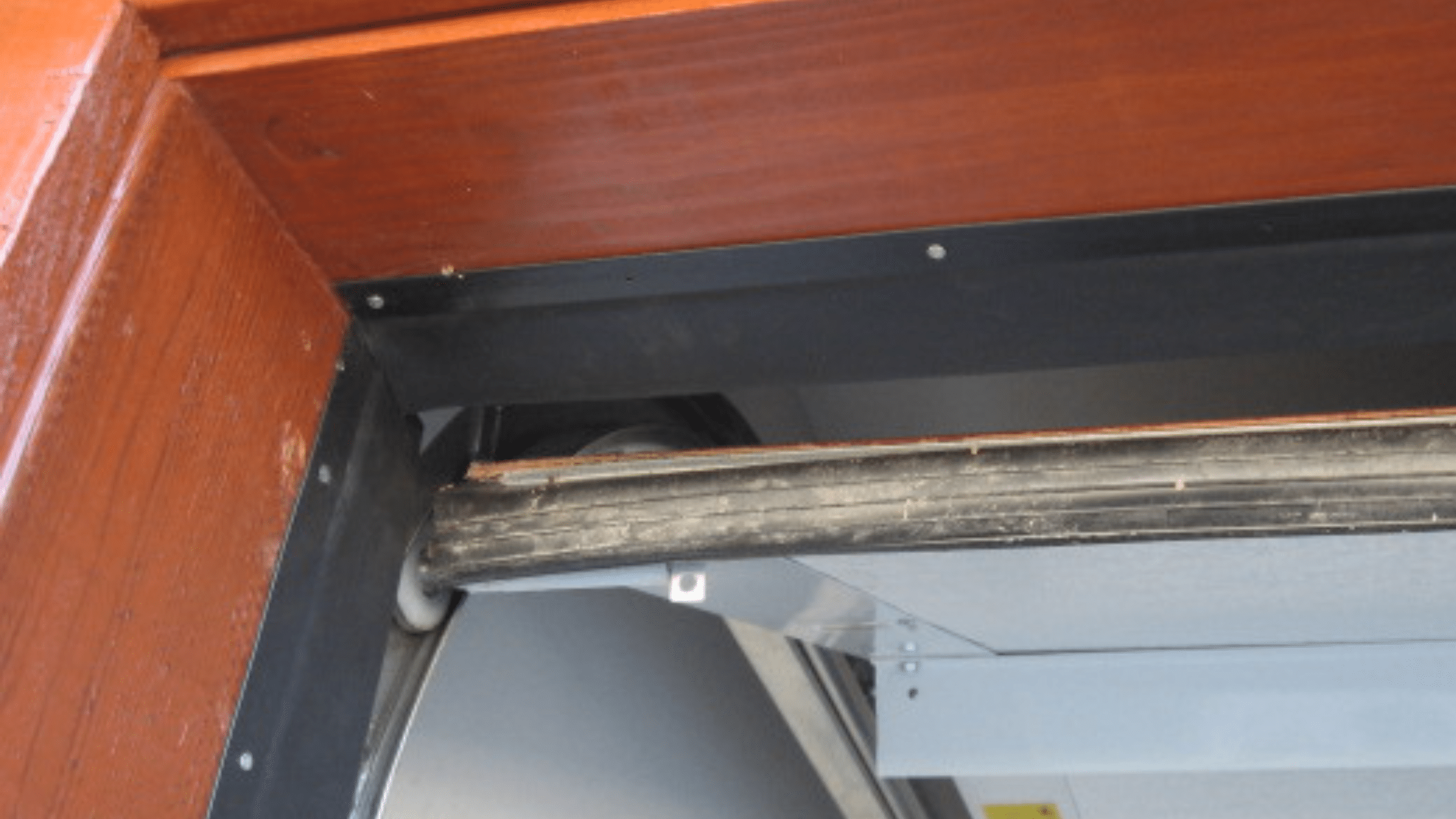
Garage Door Weatherstripping Tips to Stop Drafts and Water Leaks
Key Takeaways
- Weatherstripping a garage door helps prevent drafts, water leaks, insects, and energy loss.
- The right seal type depends on the garage door material, climate, and gap size.
- Correct installation improves comfort, reduces moisture damage, and supports better temperature control.
- Replacing worn seals protects your garage from water intrusion during heavy rain and melting snow.
- Homeowners in colder climates benefit significantly from upgraded weather seals.
Weatherstripping a garage door is one of the most effective ways to stop drafts, prevent water leaks, and improve overall home comfort. When gaps form under or around a garage door, cold air, water, and pests can easily enter the space. Properly installed weatherstripping creates a tight seal that blocks unwanted outdoor elements.
This is especially important today because many homeowners use their garage as a workshop, storage, gym, or entryway. Keeping the space dry and comfortable helps protect belongings and reduces energy loss.
What Is Garage Door Weatherstripping and Why Does It Matter?
Garage door weatherstripping is a sealing system installed along the bottom, sides, and sometimes the top of the garage door. It prevents outdoor air and moisture from entering through gaps. Most doors have factory installed seals, but these wear out over time due to movement, weather exposure, and temperature changes.
A worn weather seal can cause:
- Higher heating and cooling costs
- Water pooling inside the garage
- Rust development on metal parts
- Increased humidity
- Entry of insects and debris
Replacing weatherstripping is a simple improvement that provides immediate benefits.
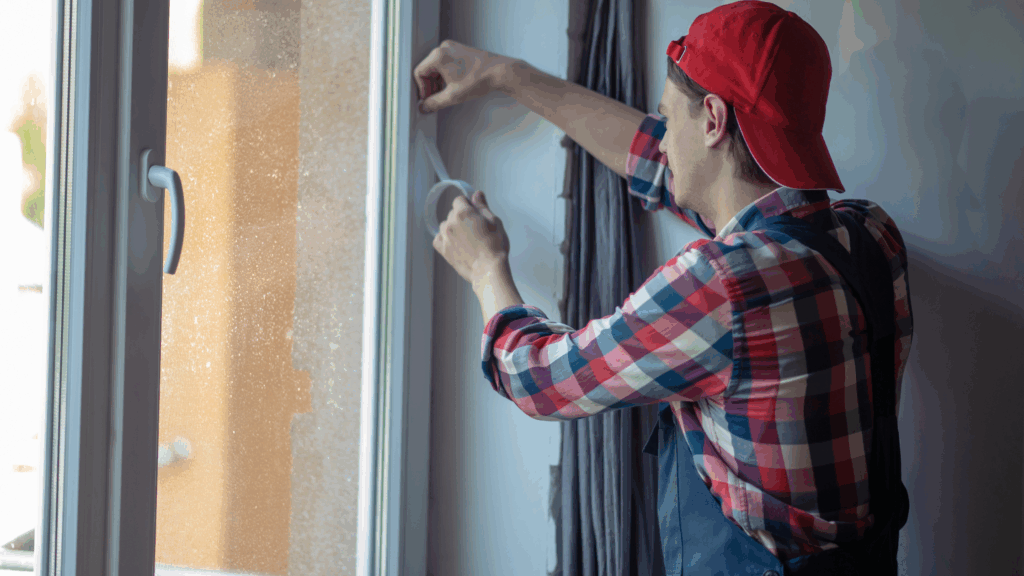
What Are the Different Types of Garage Door Weatherstripping?
Bottom Seal
The bottom seal closes the gap between the garage floor and the door. It is usually made of rubber or vinyl. Common types include:
- T shaped seal
- U shaped seal
- Flat vinyl seal
Side and Top Seals
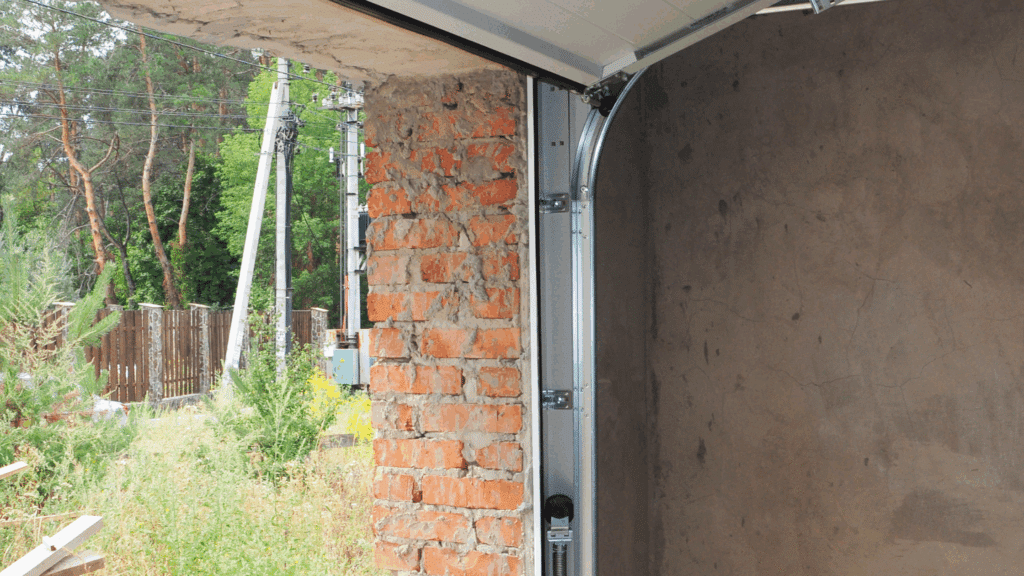
These seals attach to the door frame and prevent drafts around the perimeter.
- Vinyl door stops
- Wood stops with attached seal
- Flexible rubber seals
Threshold Seal
A threshold is a raised rubber strip installed directly on the floor. It provides a stronger barrier against water and pests. It works well for uneven floors or where water flows toward the garage.
Brush Seal
Brush seals use dense bristles and are ideal for commercial garages or high movement areas. They help block dust and air while allowing slight movement.
How Do You Know Your Weatherstripping Needs Replacement?
Replacing garage door weatherstripping is necessary when you notice:
- Visible gaps around the door
- Water seeping inside during rain
- Light passing through the edges
- Drafts entering the garage
- Cracked, brittle, or flattened rubber
- Higher humidity or moisture buildup inside
If your garage feels noticeably colder or warmer than before, the seal may be failing.
What Tools Do You Need to Replace Garage Door Weatherstripping?
Most weatherstripping projects require basic tools:
- Flathead screwdriver
- Utility knife
- Measuring tape
- Hammer and small nails or screws
- Adhesive (for threshold seals)
- Replacement seal
Cleaning cloth
Weatherstripping kits often include mounting hardware.
How to Replace Garage Door Weatherstripping Step by Step
1. Remove old weatherstripping
Use a screwdriver to lift the edge of the old seal. Pull along the track or remove nails if attached to the door frame. Clean the surface thoroughly to ensure the new seal sits correctly.
2. Measure the door width and panel length
Accurate measurement is essential. A seal that is too long will bunch up, while one that is too short will leave gaps. Measure the door width for the bottom seal and frame height for side seals.
3. Cut the new seal to size
Use a sharp utility knife for clean cuts. Leave a slight allowance for side seals to ensure proper contact with the door.
4. Install the bottom seal
Slide the new bottom seal into the track if the door uses T or U channels. For flat seals, attach them with screws or adhesive. Make sure the seal sits flush with the floor.
5. Install side and top seals
Attach vinyl or rubber seals along the frame using nails or screws. Ensure the seal presses lightly against the door without causing friction.
6. Install threshold seal if needed
Clean the floor and mark the placement. Apply adhesive and press the threshold firmly. Allow proper drying time before using the garage.
7. Test the seal
Close the door fully. Check for light, airflow, or gaps. Adjust the alignment if needed.
What Are the Benefits of Replacing Garage Door Weatherstripping?
Better Temperature Control
Weatherstripping reduces heat loss during winter and keeps heat out during summer. This matters for garages connected to living spaces.
Protection From Water Damage
A strong bottom seal blocks standing water, melting snow, and heavy rain. This helps prevent rust, mold, and floor damage.
Reduced Energy Costs
When the garage maintains a more stable temperature, your HVAC system does not work as hard. This can lower energy bills.
Pest Prevention
Weatherstripping blocks insects, rodents, and outdoor debris from entering the garage.
Improved Door Lifespan
Moisture can corrode metal parts and wear down the opener. A tight seal reduces exposure and improves longevity.
Best Weatherstripping Materials for Cold Climates
For areas with freezing temperatures, such as Montreal, the following materials work best:
- Heavy duty rubber bottom seals
- Vinyl side and top seals
- Raised threshold seal for water control
- Brush seals for commercial spaces
Cold climates benefit from thicker materials because they resist cracking and maintain flexibility.
Top 5 Weatherstripping Products for Homeowners
Here are reliable options commonly recommended by technicians:
Rubber T style bottom seal
Heavy duty vinyl side and top seal kit
Garage threshold seal for uneven floors
U shaped bottom seal for wood and metal doors
Brush seal for dust prevention
Each option provides a different level of protection depending on the garage environment.
Bottom Seal vs Threshold Seal
| Feature | Bottom Seal | Threshold Seal |
|---|---|---|
| Main Use | Blocks drafts and small water leaks | Blocks heavy water flow and pests |
| Installation | Attached to door | Attached to floor |
| Cost | Lower | Medium |
| Best For | Standard weather protection | Uneven floors or flood prone areas |
| Verdict | Best for general use | Best for advanced moisture control |
Checklist for Weatherstripping a Garage Door
- Use this simple homeowner checklist:
- Inspect seals twice a year
- Replace rubber seals that appear cracked or flat
- Test the door for gaps by closing it fully
- Clean surfaces before installing new seals
- Consider a threshold for severe water entry
- Check alignment if the new seal does not sit evenly
Need Professional Weatherstripping in Montreal?
Unique Garage Door Repair Montreal provides expert weatherstripping replacement, water leak prevention, and full garage door repair services across Montreal, Laval, Longueuil, and surrounding areas. For fast and reliable service, call 514 777 4670 or visit garageportereparation.ca/en.
Conclusion
Garage door weatherstripping is a simple improvement that provides strong protection against drafts, water leaks, pests, and heat loss. With the right materials and proper installation, homeowners can maintain a dry, comfortable, and energy efficient garage throughout the year. Regular inspection and replacement ensure the seal stays effective and protects your property.
If your door is uneven, damaged, or still leaking after replacing the seals, a technician can identify and correct the underlying issue.
Frequently Asked Questions
How often should I replace garage door weatherstripping?
Most seals last one to two years depending on weather exposure. Replace sooner if the material becomes stiff or cracked.
Can I install weatherstripping myself?
Yes. Most homeowners can replace seals with simple tools. Threshold installation requires more precision.
Why does water still get into my garage after replacing the seal?
The floor may be uneven or sloped. A threshold seal or door adjustment may be required.
What material works best for cold climates?
Thick rubber bottom seals and vinyl side seals perform best in freezing temperatures.
Will weatherstripping make my garage warmer?
Yes. It reduces drafts, improves insulation, and creates a tighter barrier against outdoor air.
Why does my garage door scrape the seal?
The door may be misaligned, or the seal may be oversized. A technician can adjust the track or trim the seal.
Do threshold seals interfere with vehicles?
Threshold seals are designed to handle tire pressure and will not interfere when properly installed.