
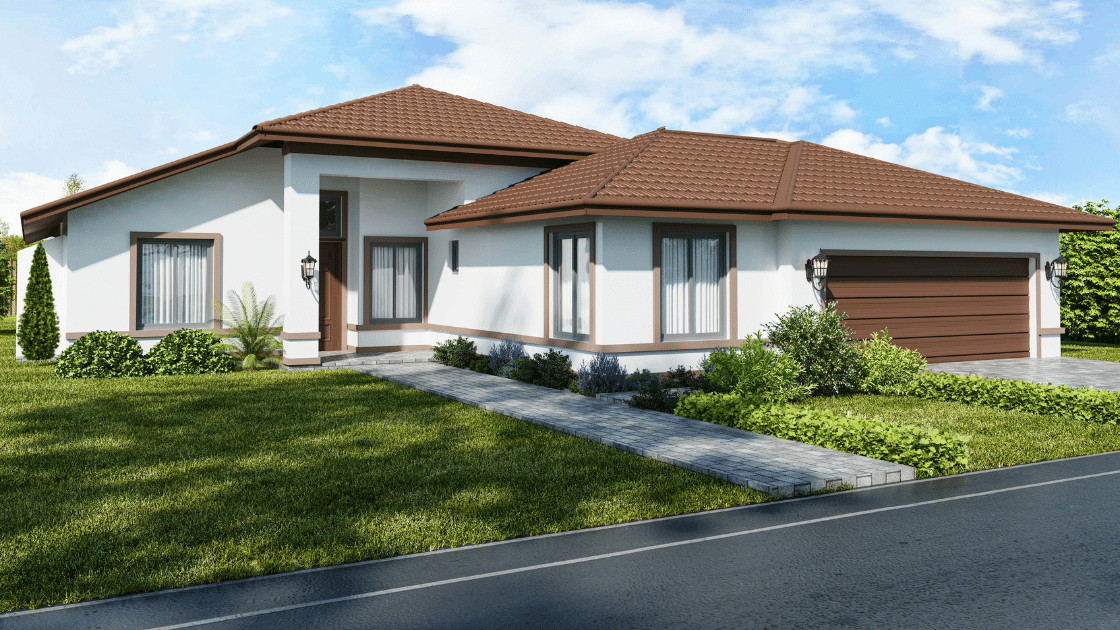
Modern Garage Doors for Cold Climates: Design and Performance Considerations
Key Takeaways
Modern garage doors for cold climates must combine insulation, durability, and contemporary design
High R-value construction, thermal breaks, and tight weather seals directly improve winter performance
Insulated steel, thermally broken aluminum, and composite materials outperform untreated wood in freezing conditions
Cold-rated hardware and professional installation are critical for long-term reliability
Modern aesthetics and strong energy efficiency can coexist when doors are properly specified
Introduction
Modern garage doors can perform reliably in cold climates when they are engineered with insulation, materials, and sealing as top priorities. The right design reduces heat loss, prevents winter-related damage, and maintains smooth operation during freezing temperatures.
This topic matters now more than ever as homeowners face higher energy costs, colder temperature swings, and growing demand for modern exteriors that do not compromise comfort or performance.
What defines a modern garage door in cold climates?
A modern garage door in a cold climate is defined by performance as much as appearance. It blends contemporary design with construction features that limit thermal transfer and withstand harsh seasonal conditions.
Modern garage doors typically feature:
Flat or flush panel profiles
Minimal or concealed hardware
Steel, aluminum, glass, or composite finishes
Neutral tones or natural textures
In cold climates, these visual elements must be paired with insulated cores, reinforced frames, and effective sealing. Without those features, even a visually modern door can become a major source of heat loss and operational issues.
Cold-climate modern garage doors are designed to resist warping, reduce condensation, and maintain consistent panel alignment during freeze and thaw cycles.
How does cold weather affect garage door performance?
Cold weather affects how a garage door opens, seals, and insulates the home.
Low temperatures can lead to:
Metal contraction that impacts track alignment
Weatherstripping becoming brittle and cracking
Reduced effectiveness of standard lubricants
Increased heat loss through uninsulated panels
For attached garages, these issues are more than inconvenient. Heat loss through the garage door can increase heating demand in nearby rooms and reduce overall energy efficiency.
In extreme cold, moisture buildup and freezing at the base of the door can cause sticking, corrosion, and long-term wear if the door is not properly designed for winter conditions.
What insulation features matter most for modern garage doors?
Insulation is the most important performance feature for modern garage doors in cold climates.
Key insulation features include:
High R-value panels, typically between R-12 and R-18 for cold regions
Polyurethane insulation rather than polystyrene for higher density and strength
Full-panel insulation coverage rather than partial or spot insulation
Thermal breaks that separate interior and exterior metal layers
Polyurethane-injected steel doors perform especially well because the expanding foam fills internal gaps, improving both insulation and structural rigidity.
According to the U.S. Department of Energy, improving insulation around attached garages can significantly reduce heat loss and improve overall home efficiency in colder climates.
Which materials perform best in freezing temperatures?
Material choice has a direct impact on how a modern garage door performs during winter.
Best-performing materials include:
Insulated steel
Aluminum with a thermal core or thermal breaks
Composite or faux wood overlays bonded to insulated steel frames
Insulated steel doors resist warping, maintain alignment, and tolerate freeze and thaw cycles well. Aluminum doors must include thermal breaks to prevent heat transfer and interior condensation.
Materials that require extra caution include:
Solid wood without insulation
Single-layer aluminum doors
Large glass sections without insulated glazing
Wood can crack, swell, or shrink in cold climates unless it is properly sealed and insulated. Glass-heavy designs must use insulated and tempered glass to avoid energy loss.
1. Top modern garage door styles that work in cold climates
Some modern styles are better suited to winter performance than others.
The most reliable cold-climate modern styles include:
Flush insulated steel doors with subtle horizontal lines
Aluminum frame doors with insulated or low-emissivity glass
Composite-overlay doors that replicate wood without moisture issues
Minimalist paneled doors designed to support insulation and seals
These styles preserve modern aesthetics while allowing space for insulation, reinforced framing, and effective weather sealing.
How important are weather seals and hardware ratings?
Weather sealing plays a critical role in winter performance and is often overlooked.
Effective cold-climate sealing includes:
Bottom seals designed to remain flexible in freezing temperatures
Perimeter seals that prevent air infiltration along door edges
Insulated frames that reduce thermal bridging
Hardware also matters. Springs, rollers, hinges, and tracks must be rated for cold-weather use. Components not designed for low temperatures are more likely to fail, squeak, or seize during winter.
In snowy regions, corrosion-resistant hardware finishes help protect against road salt and moisture exposure.
Insulated vs non-insulated modern garage doors
| Feature | Insulated Modern Door | Non-Insulated Modern Door |
|---|---|---|
| Energy efficiency | High | Low |
| Cold weather reliability | Strong | Weak |
| Noise reduction | Effective | Minimal |
| Condensation risk | Low | High |
| Suitability for attached garages | Recommended | Not recommended |
Can modern garage doors still include glass in cold climates?
Modern garage doors can include glass when it is specified correctly.
Cold-climate glass features should include:
Double or triple-pane insulated glass
Low-emissivity coatings to reduce heat transfer
Tempered safety glass for strength and durability
Frosted or tinted glass can provide privacy while allowing natural light into the garage. Proper glazing prevents condensation and minimizes heat loss without sacrificing modern design.
3. Common mistakes homeowners make in cold regions
Many winter performance problems stem from avoidable decisions.
Common mistakes include:
Prioritizing design over insulation and performance
Choosing lower R-values to reduce upfront cost
Using standard weather stripping instead of cold-rated seals
Hiring installers without cold-climate experience
A modern garage door functions as a complete system. Performance depends on how panels, insulation, seals, and hardware work together.
What do energy standards and certifications recommend?
Energy performance guidelines offer useful direction for homeowners.
Programs such as ENERGY STAR recommend insulated garage doors for attached garages in colder regions. While not all doors carry certifications, reputable manufacturers publish tested R-values and air leakage data.
Reviewing third-party testing and manufacturer documentation helps confirm real-world performance claims.
Need a Modern Garage Door Upgrade in Montreal?
Unique Garage Door Repair Montreal specializes in modern garage door installation, replacement, and upgrades designed for cold climates. From insulated steel and glass doors to full system replacements, we help homeowners improve energy efficiency, performance, and curb appeal across Montreal, Laval, Longueuil, and surrounding areas. For fast and reliable service, call 514 777 4670 or visit garageportereparation.ca/en.
Conclusion
Modern garage doors can perform exceptionally well in cold climates when insulation, materials, and installation are treated as essential design elements. The right door improves comfort, reduces energy loss, and maintains a clean modern appearance throughout winter.
If you are planning an upgrade, start with insulation requirements, compare cold-rated options carefully, and work with professionals who understand winter conditions. A performance-focused approach ensures your modern garage door delivers long-term reliability and value.
Frequently Asked Questions
Are modern garage doors suitable for extreme cold climates?
Yes. Modern garage doors designed with insulation, thermal breaks, and proper seals perform well in extreme cold.
What R-value is recommended for a cold climate garage door?
An R-value between R-12 and R-18 is recommended for attached garages in cold regions.
Do modern garage doors cost more in cold climates?
They can cost more upfront, but improved energy efficiency and reduced maintenance often lower long-term costs.
Can insulation be added to an existing modern garage door?
In some cases, but factory-insulated doors generally perform better than retrofit insulation kits.
Will modern garage doors freeze or stick in winter?
Properly installed doors with cold-rated seals and hardware are unlikely to freeze or stick.
Is aluminum a poor choice for cold climates?
Not when it includes thermal breaks and insulated panels.
Do modern garage doors improve resale value in cold regions?
Yes. Energy efficiency and updated curb appeal both contribute to higher perceived home value.
Author: Written by a garage door industry specialist with hands-on experience specifying and evaluating modern garage door systems for cold-climate residential properties, with a focus on energy performance, durability, and practical design guidance.