

How to Insulate a Garage Door for Better Home Energy Efficiency
Key Takeaways
- Insulating a garage door helps control temperature, reduce noise, and lower energy use.
- You can insulate most garage doors with foam panels, fiberglass kits, or reflective insulation.
- Correct installation prevents sagging, extra weight strain, or sensor issues.
- Insulated doors work better in cold climates like Montreal where heat loss is common.
- You can complete most insulation projects in one to two hours.
Learning how to insulate a garage door is one of the most effective ways to improve comfort and reduce energy loss in your home. Most garages are unconditioned spaces, so a non insulated door allows heat to escape during winter and lets heat enter during summer. Proper insulation helps stabilize temperature, protects stored items, and reduces noise.
This guide explains the top insulation options, tools you need, step by step instructions, and safety considerations so you can complete the project correctly.
What Does Garage Door Insulation Do?
Garage door insulation creates a thermal barrier that slows the transfer of heat. Standard steel doors have thin metal panels that provide almost no protection from temperature changes. Insulating them improves indoor comfort and keeps your garage usable throughout the year.
Insulation also helps reduce outside noise, strengthens the door structure, and may increase the door’s lifespan by reducing stress on internal parts.
What Are the Types of Garage Door Insulation?
There are three main insulation types used by homeowners and technicians.
1. Foam Board (Polystyrene)
Foam board panels are rigid sheets that offer strong thermal performance and simple installation.
- Affordable
- Lightweight
- Suitable for most steel doors
2. Fiberglass Insulation Kits
These kits include flexible fiberglass batts and fabric backing.
- Higher R value
- Good sound control
- Works for older or uneven panels
3. Reflective Insulation (Foil Backed)
Reflective barriers bounce heat away from the garage in summer and retain heat in winter.
- Thin and easy to cut
- Works well in hot climates
- Adds minimal weight to the door
Each type has different R values. Higher R values provide better insulation.
What Do You Need Before Insulating a Garage Door?
Prepare all tools and materials before starting.
- Measuring tape
- Utility knife or insulation cutter
- Straightedge or ruler
- Adhesive or included clips
- Gloves and protective glasses
- Foam, fiberglass, or reflective insulation
- Cleaning cloth
Measure each garage door panel individually. Many doors have slight size differences that require custom cuts.
How to Insulate a Garage Door Step by Step
Step 1. Clean the Door
Wipe down the inside surface of the door panels to remove dust and debris. Clean surfaces help insulation adhere better and prevent premature detachment.
Step 2. Measure Each Panel
Measure the width and height of each section. Always measure from the inside of the recess where the insulation will sit. Record the numbers for accuracy.
Step 3. Cut the Insulation
Place the insulation on a flat surface and cut it to size using a straightedge. For foam board, score the surface lightly and snap it cleanly. For fiberglass or reflective materials, use a sharp utility knife.
Step 4. Install Retainer Clips or Adhesive
Many insulation kits include plastic retainer clips that hold the material in place.
If using adhesive, apply small dabs evenly across the panel surface. Do not overapply because too much weight can pull the insulation loose.
Step 5. Fit the Insulation Into Each Panel
Gently press the insulation into the recessed panel area. Make sure edges sit flush without bending or overcompressing the material.
Step 6. Secure the Material
Attach the front side of the retainer clip or apply pressure to help the adhesive bond.
Check that the insulation does not interfere with hinges, rollers, or moving parts.
Step 7. Test the Door
Operate the garage door manually first. Make sure nothing rubs or binds. Then use the opener. If the door struggles or reverses, the added weight may require spring adjustment by a technician.
Can You Insulate a Wooden Garage Door?
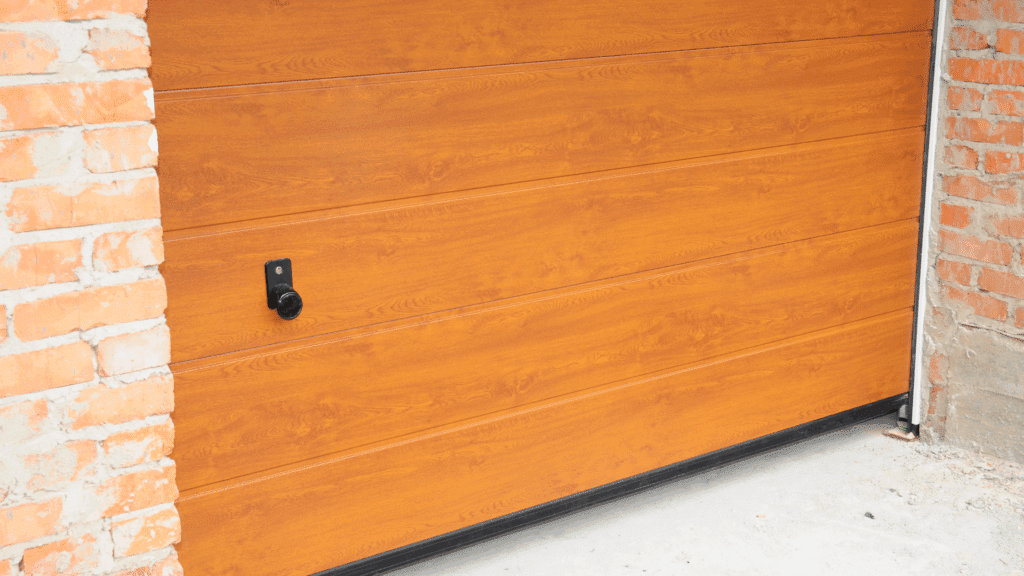
Yes, but wooden doors often require different handling. Wood can absorb moisture, so foam board or reflective materials work better than fiberglass. Always leave a small gap for airflow to avoid trapping moisture.
Do Insulated Garage Doors Help With Noise?
Yes. Insulation adds mass, which reduces noise transfer from outside. It also minimizes door panel vibration when opening and closing. Homeowners near busy streets or cold climates often notice immediate improvement.
Does Insulation Affect the Garage Door Opener?
Insulation adds weight to the door. Most standard openers can handle this, but older systems or poorly balanced doors may struggle. If the opener strains, you may need spring adjustment or a stronger opener. A technician can check balance and tension safely.
Best Materials for Garage Door Insulation
Here are the top choices based on performance and ease of use:
Foam Board Panels
Best for steel doors and homeowners who want balanced insulation with simple installation.
Fiberglass Batts
Best for the highest R value and sound reduction.
Reflective Foil
Best for hot climates and garages used as workshops or living spaces.
Insulation Types
| Insulation Type | R Value | Cost | Difficulty | Best For |
|---|---|---|---|---|
| Foam Board | Medium | Low | Easy | Standard steel doors |
| Fiberglass Kits | High | Medium | Moderate | Noise control and temperature stability |
| Reflective Foil | Low to Medium | Low | Easy | Hot climates or sun exposed garages |
Common Mistakes to Avoid When Insulating a Garage Door
- Using insulation that is too heavy for the door.
- Blocking door hinges or tracks.
- Forgetting to test door balance after installation.
- Using moisture absorbing materials on wooden doors.
- Leaving gaps that reduce insulation performance.
How Much Does It Cost to Insulate a Garage Door?
The cost depends on the type of insulation and the size of the door.
- Foam board: 80 to 150 CAD
- Fiberglass kits: 120 to 200 CAD
- Reflective insulation: 60 to 150 CAD
- Professional installation: 200 to 400 CAD
For large double doors, expect higher material costs.
How Long Does It Take to Complete the Project?
A standard single door takes about one hour. A double door may take two hours. Experience level, insulation type, and door design can change the timeline.
When Should You Call a Professional?
- The garage door opener struggles after insulation.
- You notice uneven panel movement.
- The door feels unbalanced when lifted manually.
- Springs or cables appear worn.
- DIY insulation is safe, but spring systems are under high tension and require specialized tools.
Conclusion
Insulating a garage door is a simple home improvement project that delivers instant benefits. With the right materials and careful installation, your garage becomes more comfortable, quieter, and energy efficient throughout the year. Homeowners in colder regions like Montreal see some of the greatest improvements because insulation helps limit heat loss.
If your garage door is unbalanced, noisy, or struggling after adding insulation, a professional can correct these issues safely.
Need an Expert in Montreal?
Unique Garage Doors provides expert garage door insulation, repairs, opener installation, and maintenance across Montreal, Laval, Longueuil, and surrounding areas. For fast, friendly, and reliable support, call 514 777 4670.
Frequently Asked Questions
Is insulating a garage door worth it?
Yes. It improves comfort, reduces drafts, helps regulate indoor temperature, and can cut energy use.
Will insulation stop condensation?
It can reduce condensation, but you still need proper ventilation. Insulation alone does not remove moisture sources.
Can I insulate a garage door in winter?
Yes. Installation is safe during cold weather, but adhesive may take longer to bond.
How long does insulation last?
Most materials last many years if installed correctly and kept dry.
Does insulation make the door quieter?
Yes. It reduces vibration and outside noise.