
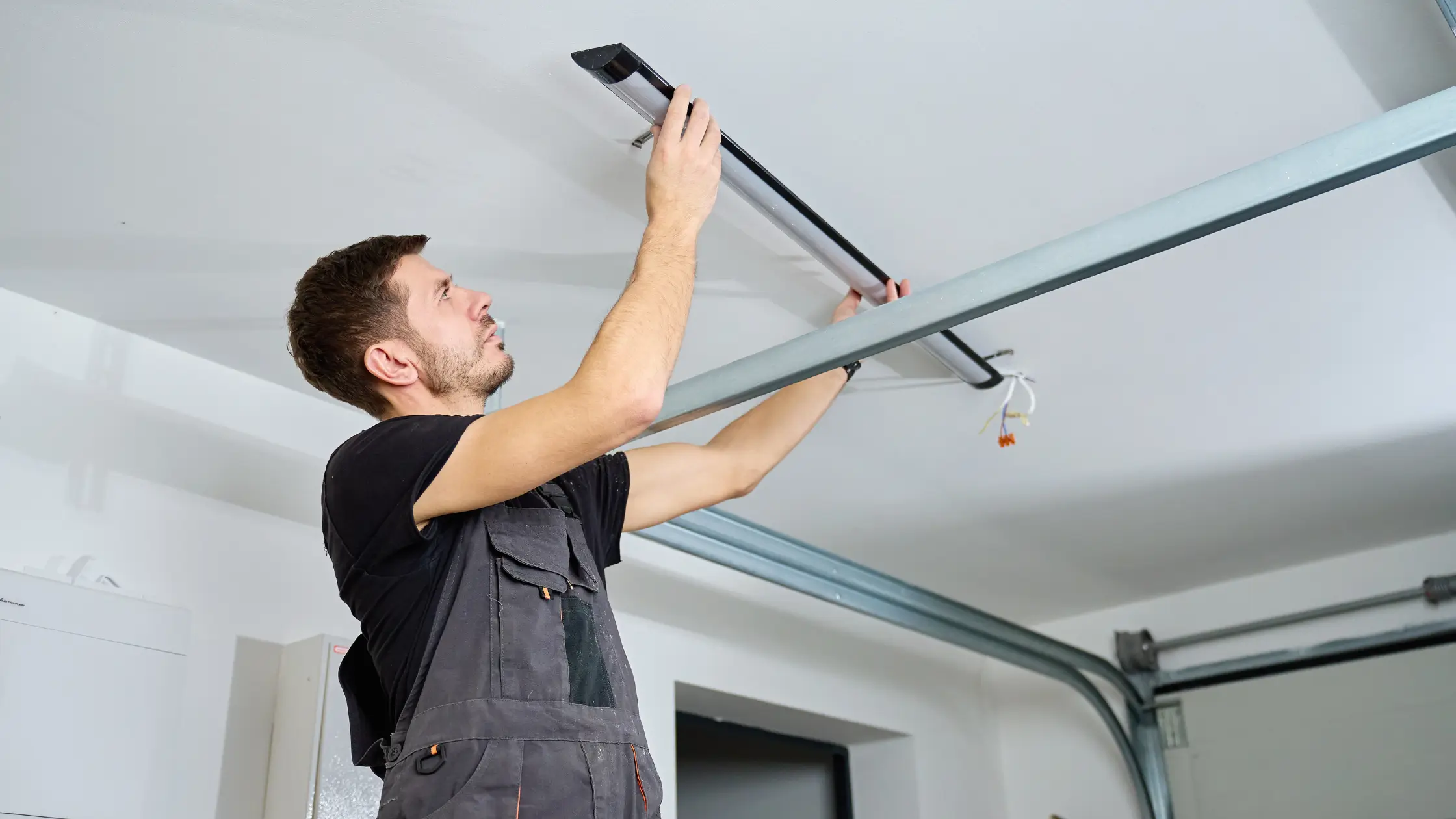
How Do I Repair a Garage Door Opener at Home? Common Fixes Explained
Key Takeaways
Many garage door opener issues are caused by power, sensor, or remote problems that homeowners can fix safely.
A step by step troubleshooting approach helps avoid unnecessary repairs or replacements.
Some garage door opener repairs are DIY friendly, while others should always be left to professionals.
Knowing when to stop and call a technician protects your safety and your garage door system.
Introduction
If you are asking how do I repair a garage door opener at home, the quick answer is to start with simple checks like power, sensors, and settings before assuming the opener is broken. In many cases, the issue is minor and fixable without tools.
Garage door openers are used daily and small problems can build up over time. Understanding common fixes helps homeowners restore operation quickly and decide when professional repair is the safer option.
What Should I Check First When a Garage Door Opener Stops Working?
The first step is to rule out basic issues that stop the opener from receiving power or signals. These problems account for a large percentage of service calls.
Start by checking:
Power source. Confirm the opener is plugged in and the outlet works.
Circuit breaker or GFCI outlet. Reset if tripped.
Wall control. Test the wall button to see if the issue is the remote.
Lock or vacation mode. Some wall panels disable remotes when activated.
If the wall button works but the remote does not, the opener itself is likely fine and the issue is with the remote or signal.
Why Does My Garage Door Opener Click but Not Open?
A clicking sound usually means the opener is receiving a command but cannot complete the action. This is often caused by safety features doing their job.
Common causes include:
Misaligned safety sensors
Obstructions in the door track
A disengaged trolley or carriage
Check that the photo eye sensors near the floor are aligned and clean. Both sensor lights should be solid, not blinking. Remove any debris blocking the track and make sure the emergency release cord has not been pulled.
How Do I Fix Garage Door Opener Sensor Problems?
Safety sensors are designed to stop the door if something is in the way. When they are misaligned or dirty, the opener will not close properly.
To fix sensor issues:
Clean both sensor lenses with a soft cloth.
Check alignment. Sensors should face each other at the same height.
Secure loose brackets with a screwdriver.
Inspect wiring for damage or loose connections.
If the door closes only when you hold the wall button, sensor alignment is almost always the issue.
Can I Repair a Garage Door Opener Remote Myself?
Yes, remote issues are one of the easiest fixes for homeowners.
Try the following:
Replace the batteries.
Reprogram the remote using the opener’s learn button.
Check for interference from nearby electronics.
Inspect the remote for worn buttons or cracks.
If multiple remotes stop working at the same time, the opener’s receiver may be the problem, not the remotes.
What Are Common Mechanical Issues in Garage Door Openers?
Mechanical wear can prevent the opener from moving the door smoothly. These issues often develop gradually.
Common mechanical problems:
Worn drive gears
Loose chain or belt
Stripped sprockets
You may hear grinding noises or see the motor running while the door does not move. While some manufacturers sell gear replacement kits, these repairs require disassembly and mechanical experience. Many homeowners choose professional service at this stage.
DIY Fixes vs Professional Repairs
Not all garage door opener repairs are safe to attempt at home. Knowing the difference matters.
Safe DIY fixes include:
Replacing remote batteries
Cleaning and aligning sensors
Resetting power or reprogramming remotes
Tightening visible hardware
Repairs that need a professional:
Motor failure
Circuit board replacement
Broken torsion or extension springs
Structural track damage
According to the U.S. Consumer Product Safety Commission, garage door springs cause thousands of injuries each year and should never be repaired without training.
Repair or Replace? How to Decide
Sometimes repairing an opener is not the best long term choice.
Consider replacement if:
The opener is over 10 to 15 years old
Repairs cost more than half the price of a new unit
The opener lacks modern safety features
Breakdowns happen frequently
Newer openers are quieter, more energy efficient, and include improved safety and smart home compatibility.
Common Garage Door Opener Brands and Repair Considerations
Different opener types affect how easy repairs may be.
| Opener Type | Common Issues | DIY Friendly |
|---|---|---|
| Chain Drive | Noise, loose chain | Moderate |
| Belt Drive | Slippage, sensor issues | High |
| Screw Drive | Lubrication problems | Low |
| Direct Drive | Fewer moving parts | High |
While many fixes are similar across brands, always follow the manufacturer’s manual for troubleshooting steps.
Conclusion
Understanding how do I repair a garage door opener at home starts with recognizing common, fixable problems. Power issues, sensor misalignment, and remote failures are often simple to resolve and restore operation quickly.
When repairs move beyond basic troubleshooting, professional service is the safer choice. If you want a printable checklist or expert evaluation, contact a licensed garage door technician or download a homeowner troubleshooting guide to keep on hand.
Frequently Asked Questions
How do I reset my garage door opener?
Most openers reset by unplugging for 30 seconds or holding the learn button for several seconds. Check your manual for exact steps.
Why does my garage door opener work sometimes but not always?
Intermittent issues are often caused by loose wiring, sensor alignment problems, or signal interference.
Is it safe to repair a garage door opener myself?
Basic troubleshooting is safe, but spring, motor, and electrical board repairs should be handled by professionals.
How much does it cost to repair a garage door opener?
Minor repairs can be free or under $50, while major repairs can range from $150 to $400 depending on the issue.
Can I replace just the motor on a garage door opener?
In some cases yes, but the cost often makes full replacement more practical.
Why does my opener hum but not move the door?
This usually indicates a stripped gear, seized motor, or disconnected drive mechanism.
Author: Written by a garage door systems specialist with hands on experience diagnosing opener failures, mechanical wear, and safety issues in residential garage door repairs.